1101-116 Grande Blvd, Cochrane, Alberta, T4C 2G4

What Should You Eat (and Avoid) After Getting a Dental Crown

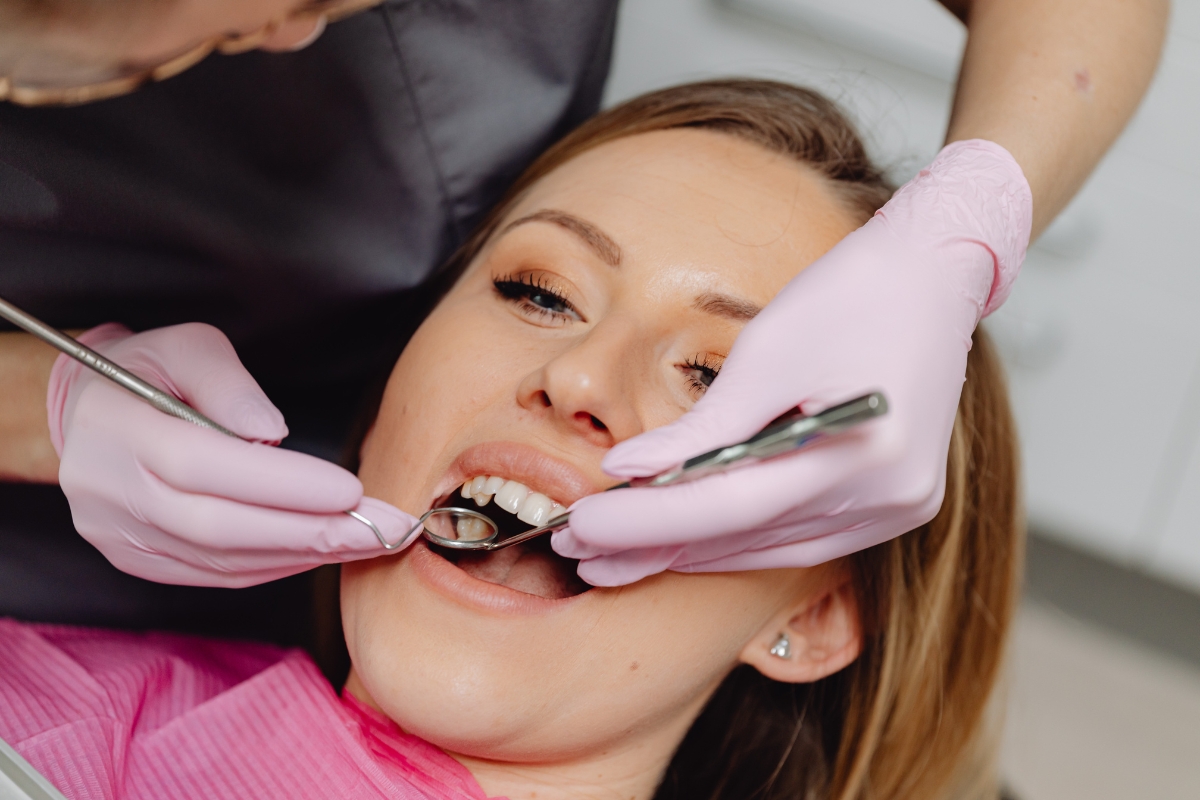
Getting a dental crown does more than just fix your tooth—it restores strength and the shape you need to chew comfortably again. The procedure itself? Pretty simple. But what you do right after matters just as much. The first few days make a difference. What you eat can change the way your crown settles in, how sensitive things feel, and even how long your new crown lasts.
So, let’s talk about what helps and what hurts, and why these choices matter. That way, you can keep your smile healthy and avoid any headaches down the road.
Why What You Eat Matters After a Dental Crown
When you get a new crown, it needs some time to settle into its new home. Even though crowns are sturdy enough for daily eating, the tooth underneath might feel a bit tender at first. The American Dental Association points out it’s normal to feel some sensitivity to hot or cold foods or beverages, or some pressure, after dental work like this. Usually, that fades as everything gets back to normal.
Your food choices make a real difference here. Soft foods put less pressure on your crown. That means less risk of gum irritation or crown damage while things are still new.
What to Eat After a New Crown
For the first few days, give your mouth a break. Go for soft, easy-to-chew foods that are still filling. Here are a few ideas:
- Scrambled eggs, oatmeal, and yogurt
- Mashed potatoes, rice, or soft pasta
- Warm (not piping hot) smooth soups
- Bananas, applesauce, and other soft fruits
- Well-cooked veggies
These foods keep things gentle and comfortable, letting your mouth heal without extra stress. Don’t forget to drink plenty of water, too. Staying hydrated helps with saliva flow, which keeps your teeth and gums cleaner and less prone to problems.
What to Skip
Some foods just aren’t worth the risk right after a crown treatment. Hard foods like ice, nuts, or hard candy? Those can put too much force on your new crown. Sticky foods like caramel or chewing gum might actually pull at the crown and loosen it. Super hot or cold drinks can trigger sharp sensitivity while your tooth is still settling in.
Watch out for sugary snacks, too. Sugar sticks around and raises your risk for cavities, even around a crown. The CDC says frequent exposure to sugar is a major risk to your dental health, so brush gently and rinse with water after meals to keep things clean.
When Can You Go Back to Your Regular Diet?
Most patients can get back to normal eating in just a few days, as long as things feel good. If your crown feels comfortable and you’re not noticing any pain or pressure, you can start eating regular foods again. But if you’re still hurting or things don’t feel right, check in with your dentist.
A lot of people wonder how to know if healing’s on track. If you can chew on both sides and you’re not thinking about your crown at every meal, that’s a great sign.
Long-Term Crown Care: Eating Habits That Help
Crowns are strong, but post-care is non-negotiable. Keep them strong by avoiding habits like tearing packages using your teeth. Try not to snack on sweets or acidic foods constantly. Keep up with brushing and flossing, especially around the edges of your crown.
Research in the Journal of Prosthetic Dentistry is of the view that good oral hygiene helps your crown last longer. These little habits protect not just your crown, but the tooth underneath.
Your food choices shape how well your crown holds up. Soft foods at the beginning help with healing, and smart habits afterward keep your crown in good shape. If anything feels unusual or if you just want some advice, talk to our dentist. Book a visit with Grande Dentistry to keep your crown comfortable and working the way it should.
FAQs
How soon can I chew on a crowned tooth?
Light chewing is usually fine once numbness fades. Most people wait a day or two before using that side fully, depending on comfort.
Is sensitivity normal after getting a crown?
Yes. Mild sensitivity to temperature or pressure is common and often fades within one to two weeks.
Can a dental crown break from eating?
Crowns are strong, but biting hard objects like ice or pens can cause damage over time.
Should I avoid chewing gum permanently?
Occasional gum is usually fine, but frequent sticky foods can loosen crowns over time.
How long do dental crowns usually last?
With good care, crowns often last 10–15 years or longer, according to clinical dental studies.