1101-116 Grande Blvd, Cochrane, Alberta, T4C 2G4

What Are the Signs of a “Silent” Dental Emergency?


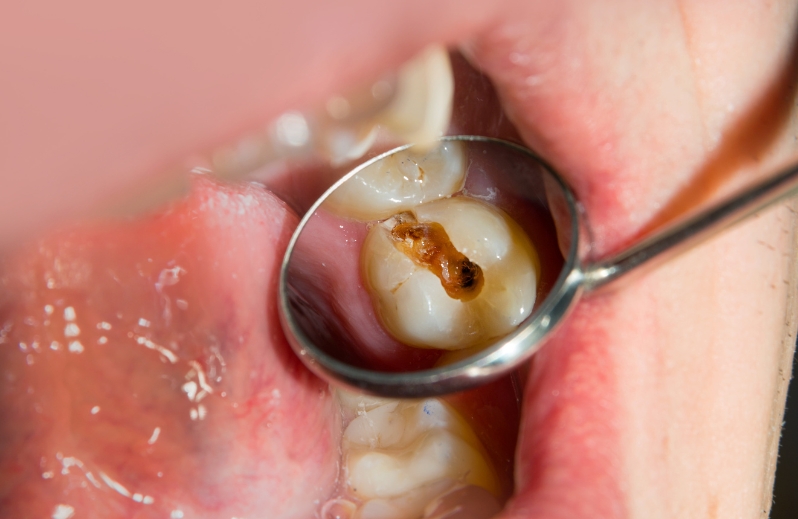
Most people picture a dental emergency as something obvious – a knocked-out tooth, severe pain, or a broken crown. But some of the most serious dental problems develop quietly, with symptoms so subtle that it’s easy to dismiss them as nothing worth worrying about. By the time the pain becomes impossible to ignore, the damage may already be significant.
That’s what makes a silent dental emergency so tricky. There’s no dramatic moment. Just a slow progression of signs your mouth has been trying to show you all along.
Why Silent Dental Emergencies Are Easy to Miss
Pain is the signal people rely on to decide whether something needs attention. The problem is that certain dental conditions cause little to no pain in their early stages. An infection can be brewing for weeks before it becomes acutely painful. A crack in a tooth might only hurt occasionally. Early gum disease rarely hurts at all.
This is why regular dental check-ups matter so much and why knowing the quieter warning signs can genuinely protect your health. If you notice any of the signs below, connecting with an emergency dentist in Cochrane sooner rather than later is worth it.
Signs You Might Be Dealing With a Silent Dental Emergency
1. A Tooth That’s Become Sensitive to Temperature
Mild sensitivity to hot or cold isn’t always a red flag on its own. But sensitivity that lingers, with discomfort lasting more than a few seconds after the temperature source is removed, often indicates a more serious issue. It may indicate nerve involvement, a cracked tooth, or pulpitis (inflammation of the tooth pulp). These conditions won’t resolve on their own and tend to worsen without treatment.
2. Intermittent Pain That Comes and Goes
A toothache that flares up for a day or two and then disappears isn’t your teeth being fine – it’s often a sign that an infection or crack is progressing. Many people assume that if the pain stopped, the problem resolved itself. In reality, a dying nerve can stop sending pain signals even as the infection continues to spread. Don’t let a few pain-free days convince you that everything is fine.
3. A Pimple-Like Bump on Your Gums
A small white or yellow bump on the gum, sometimes called a gum boil or dental fistula, is one of the more telling silent signs. This bump forms when an abscess creates a drainage channel to release pressure. It’s often painless, which is why it gets overlooked. But it’s a clear sign of an infection within the tooth or surrounding tissue, requiring prompt evaluation.
4. Unexplained Bad Breath or a Persistent Bad Taste
Occasional bad breath is common and usually linked to diet or oral hygiene habits. But bad breath that doesn’t improve with brushing, or a bitter/metallic taste that lingers throughout the day, can indicate an underlying infection, tooth decay, or an abscess that’s slowly draining. These are not cosmetic concerns – they’re symptoms of an active problem.
5. Gums That Bleed Regularly
Many people normalise gum bleeding, especially when it happens during brushing. But healthy gums don’t bleed. Consistent bleeding is typically a sign of gingivitis or early periodontitis – the beginning stages of gum disease. Left unaddressed, gum disease progresses to periodontitis, which causes bone loss, tooth mobility, and eventually tooth loss. The good news is that early-stage gum disease is very manageable when caught in time.
6. A Loose or Shifting Tooth in an Adult
Loose teeth are normal in children. In adults, they’re not. A tooth that feels slightly wobbly or has shifted position may indicate bone loss from advanced gum disease or trauma to the periodontal ligament. This qualifies as an emergency because bone loss is irreversible – what’s lost doesn’t grow back.
7. Jaw Pain, Stiffness, or Clicking
Jaw discomfort is frequently attributed to stress or sleeping position, but persistent clicking, popping, or aching in the jaw joint may indicate a temporomandibular joint (TMJ) disorder or bruxism (teeth grinding). Bruxism is a silent culprit – most people grind their teeth during sleep without realising it. Over time, it erodes enamel, cracks teeth, and damages restorations.
8. A Crack You Can Feel But Not Always See
Cracked tooth syndrome is notoriously difficult to diagnose. The crack may not be visible on an X-ray, and the pain is often sharp but brief, occurring only when you bite in a specific way or eat certain foods. If you consistently notice this pattern, the crack is real. Acting early can mean the difference between a simple restoration and losing the tooth entirely.
What Happens When You Wait Too Long
Dental infections don’t stay contained to the mouth. Research has shown a clear link between untreated oral infections and systemic health conditions, including cardiovascular disease and complications for people managing diabetes. An abscess, if left untreated, can spread to the jaw, neck, and, in rare cases, become life-threatening.
The Cochrane area has access to quality dental care, and there’s genuinely no reason to delay when warning signs appear. Grande Dentistry sees patients who present with these quieter symptoms and can identify what’s happening before it becomes an acute crisis.
How a Dentist Identifies Silent Dental Problems
During a comprehensive exam, a dentist looks beyond what you can see and feel. Tools like digital X-rays, pulp vitality testing, periodontal probing, and transillumination can reveal issues that have no obvious outward symptoms. A thorough examination at Grande Dentistry includes these diagnostic steps, giving you a clear picture of what’s going on before a small issue becomes a larger one.
If you’ve been brushing off any of the signs listed above, now is a good time to act. An emergency dentist in Cochrane can assess your situation quickly and give you real answers.
Book an appointment with Grande Dentistry in Cochrane today before a quiet problem becomes a loud one.
People Also Ask
Can a dental emergency happen without any pain at all?
Yes. Conditions like early abscesses, cracked teeth, and gum disease can progress significantly with little to no pain. Pain is not a reliable indicator of severity — some serious dental problems are entirely painless in their early stages.
How do I know if a gum bump is serious?
Any persistent bump on the gum that doesn’t resolve within a week or two warrants a dental visit. A dental fistula (gum boil) is almost always a sign of infection and should be assessed promptly, even if it’s painless.
Is jaw clicking always a dental problem?
Not always, but frequent or painful jaw clicking combined with jaw stiffness or headaches may indicate a TMJ disorder or bruxism. A dentist can evaluate whether the clicking is affecting your teeth or jaw joint and recommend appropriate treatment.
Can gum disease develop without noticeable symptoms?
Yes. Early-stage gum disease (gingivitis) often has no pain and may only cause occasional light bleeding. Many people have gingivitis for months or years without realising it, which is why regular dental check-ups are so important for catching it early.
What should I do if I suspect a silent dental emergency?
Call your dentist as soon as possible and describe what you’ve noticed – even if the symptoms seem mild. Early evaluation is almost always less invasive and less costly than waiting for a full-blown emergency to develop.