1101-116 Grande Blvd, Cochrane, Alberta, T4C 2G4

Dental Implants in Cochrane, AB

If you’ve lost a tooth — or several — you’ve probably asked yourself: am I a good candidate for dental implants? It’s one of the most common questions we hear at Grande Dentistry Cochrane. The honest answer is that most healthy adults qualify. But a few key factors do matter, and understanding them helps you make a confident, informed decision right here in Cochrane.
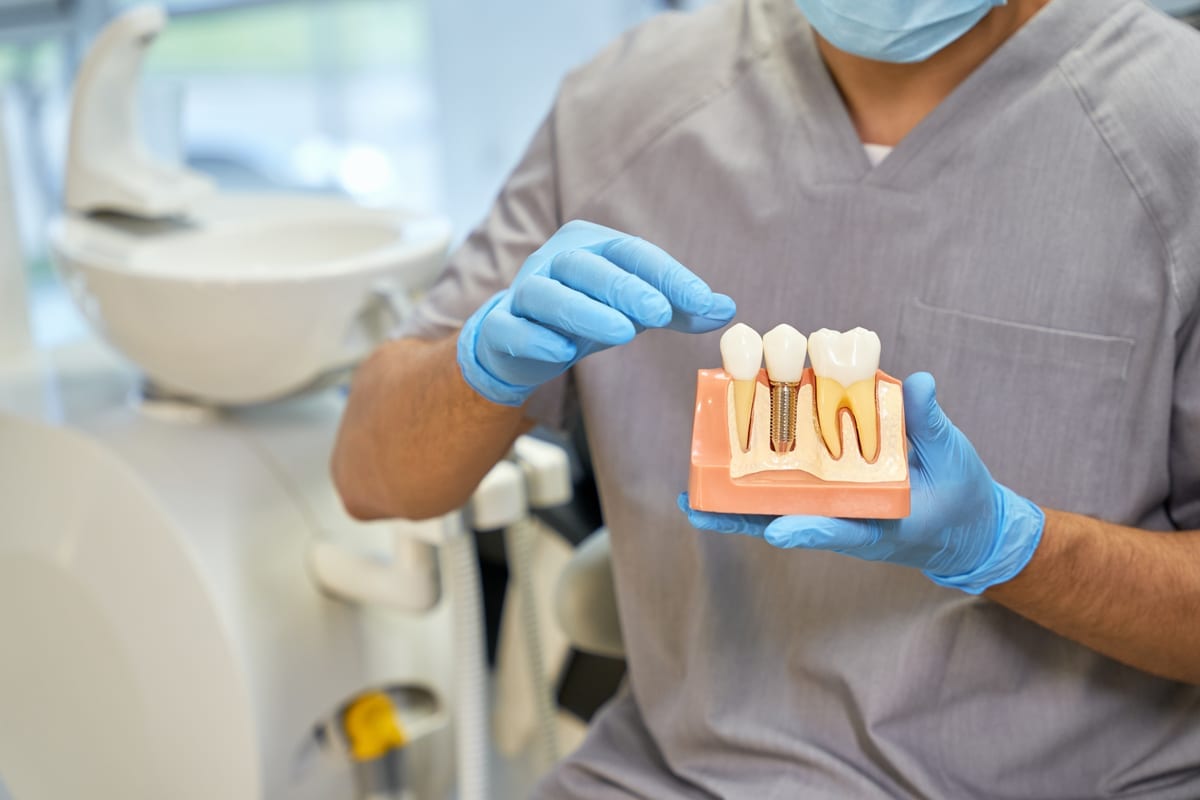
A Dental Implant is a titanium post placed into your jawbone to replace a missing tooth root. It then supports a crown, bridge, or denture on top. Because implants fuse directly with bone, your overall health and jaw structure play a major role in whether you’re a strong candidate.
Am I a Good Candidate for Dental Implants? Start With These Basics
Before anything else, Dr. Duk Sung looks at a few foundational factors. These give a clear picture of whether implants are right for you right now — or whether some preparation is needed first.
Here are the core candidacy criteria we evaluate:
- Age: Your jawbone must be fully developed, which typically happens by the late teens or early twenties.
- Bone density: Adequate bone volume is needed to anchor the implant securely.
- Gum health: Active gum disease must be treated before placement.
- General health: Certain medical conditions can affect healing and success rates.
- Oral hygiene habits: Consistent brushing and flossing protect long-term implant success.
If you meet most of these criteria, you’re already in a great position. Many patients in Cochrane are surprised to learn they qualify sooner than expected.
How Bone Density Affects Your Candidacy in Cochrane
Bone density is probably the single most important physical factor. When a tooth is lost, the jawbone beneath it begins to shrink over time. This is called bone resorption, and it happens faster than most people expect.
If you’ve been missing a tooth for several years, you may have experienced some bone loss. This doesn’t automatically disqualify you. In many cases, a bone graft can rebuild the area before implant placement.
Dr. Duk Sung uses dental imaging to measure your bone volume precisely. This takes the guesswork out of the process and gives you a clear answer during your consultation. Many patients who assumed they weren’t candidates discover they actually are.
What Health Conditions Matter — and What Doesn’t
Certain systemic health conditions can affect how well your body heals after implant surgery. That said, having a health condition doesn’t automatically rule out implants. It means your care team takes extra steps to plan your treatment safely.
Conditions that require careful consideration include:
- Uncontrolled diabetes: High blood sugar slows healing. Well-managed diabetes is generally not a barrier.
- Osteoporosis: This affects bone quality, but implants are still possible with proper planning.
- Blood thinners or immunosuppressants: These medications may need to be reviewed with your physician.
- Heart conditions: Some patients require medical clearance before surgery.
- Active cancer treatment: Radiation to the jaw area can affect implant success rates.
The key word in most of these cases is uncontrolled. Patients who actively manage their health conditions often move forward with implants successfully. Transparency with Dr. Duk Sung about your medical history leads to the best outcomes.
Does Smoking Disqualify You From Dental Implants?
This is a question we answer honestly, because you deserve straightforward information. Smoking doesn’t automatically disqualify you — but it does significantly increase your risk of implant failure.
Tobacco use restricts blood flow to the gums and bone. This slows healing after surgery and raises the risk of a complication called peri-implantitis, which is an infection around the implant. Studies consistently show lower implant success rates in smokers compared to non-smokers.
If you smoke, Dr. Duk Sung will discuss this with you openly. Quitting — even temporarily around the time of surgery — can meaningfully improve your results. Some patients use implant planning as motivation to quit for good.
Vaping and smokeless tobacco carry similar risks. If you use any tobacco product, mention it during your consultation so your treatment plan accounts for it appropriately.
Age: Are You Too Young or Too Old for Implants in Cochrane?
There’s no upper age limit for dental implants. Adults in their 70s, 80s, and beyond successfully receive implants every day. What matters is bone health and overall medical fitness — not the number on your birthday cake.
For younger patients, the concern is different. The jawbone must finish growing before an implant is placed. Placing an implant too early can disrupt normal bone development. Most dental professionals wait until growth is complete, typically around age 18 for females and slightly later for males.
Teenagers with missing teeth often use temporary solutions — like a flipper or retainer — until they’re ready for a permanent implant. Dr. Duk Sung can advise the right timing during a family consultation at our Cochrane practice.
What the Candidacy Evaluation Actually Looks Like
Wondering what happens when you come in for a consultation? The process is thorough, comfortable, and completely tailored to you. There’s no pressure and no rushed decisions.
During your evaluation, Dr. Duk Sung will:
- Review your full medical and dental history
- Take digital X-rays and 3D imaging to assess bone volume
- Examine your gums and remaining teeth
- Discuss your goals and preferences
- Outline a customized treatment plan with clear steps and timelines
If you need preparatory work — like bone grafting or gum treatment — Dr. Duk Sung will explain exactly what’s involved and why it helps set you up for long-term success.
Implants as Part of a Broader Smile Plan
For many patients, implants are one piece of a larger smile transformation. If you’re also interested in improving the appearance of surrounding teeth, Cosmetic Dentistry options like veneers or whitening can complement your implant results beautifully.
A complete smile plan means your implant crown matches the colour, shape, and size of your natural teeth. The result looks seamless — not patched together. Dr. Duk Sung considers the full picture from the very beginning of your treatment planning.
Take the Next Step at Grande Dentistry Cochrane
You don’t need to keep wondering whether implants are right for you. A single consultation with Dr. Duk Sung gives you a clear, honest answer based on your specific situation. Grande Dentistry Cochrane serves patients across Cochrane and the surrounding communities with care that’s both evidence-based and genuinely compassionate.
Whether you’re a strong candidate today or need some preparatory steps first, you’ll leave your appointment with a plan you feel good about. Book Now to schedule your appointment with our team.
Frequently Asked Questions
What is the most important factor in dental implant candidacy?
Adequate bone density in the jaw is typically the most critical physical factor. Without enough bone to anchor the implant, the procedure cannot succeed. However, bone grafting can often restore sufficient volume for patients who have experienced some bone loss.
Can I get dental implants if I have diabetes?
Yes, in many cases. Well-controlled diabetes is generally not a barrier to receiving dental implants. Uncontrolled blood sugar, however, impairs healing and increases infection risk. Dr. Duk Sung will review your current health status and work with your physician if needed to ensure safe treatment.
Is there an age limit for dental implants?
There is no upper age limit. Healthy older adults are excellent candidates for implants. For younger patients, we wait until the jawbone has finished developing — usually in the late teens or early twenties — before placing a permanent implant.
Does smoking mean I cannot get dental implants?
Smoking does not automatically disqualify you, but it does raise the risk of implant failure significantly. Tobacco restricts blood flow and slows healing after surgery. Patients who quit smoking — even temporarily around the time of surgery — see meaningfully better outcomes.
How long does the dental implant process take from start to finish?
The timeline varies depending on your individual needs. A straightforward case may be completed in a few months. If bone grafting or gum treatment is required first, the process may take six months to over a year. Dr. Duk Sung will give you a realistic timeline during your consultation at Grande Dentistry Cochrane.