1101-116 Grande Blvd, Cochrane, Alberta, T4C 2G4

Deep Cleaning vs Regular Scaling in Cochrane

Many patients in Cochrane hear the phrase ‘deep cleaning’ and feel a little uncertain. Is it really necessary? How is it different from a regular cleaning? Understanding why your dentist recommends deep cleaning over regular scaling in Cochrane can help you feel confident about your care. Dr. Duk Sung and the team at Grande Dentistry Cochrane believe informed patients make better decisions for their long-term oral health.
Regular Scaling vs. Deep Cleaning: What Is the Difference?
A regular cleaning, also called prophylaxis or scaling, removes plaque and tartar from the surfaces of your teeth. It targets the area above and just below the gumline. This is the standard preventive appointment most patients complete every six months.
A deep cleaning is a more advanced procedure. It is clinically known as scaling and root planing. Your dentist or hygienist cleans below the gumline, reaching deep into periodontal pockets. They also smooth the root surfaces to help gum tissue reattach properly.
These two procedures serve very different purposes. One is preventive. The other is therapeutic. Confusing them can lead patients to underestimate the importance of the deeper treatment when it is recommended.
Why Your Dentist Recommends Deep Cleaning Over Regular Scaling in Cochrane
Your dentist does not recommend deep cleaning casually. There are clear clinical reasons for this step. The most common reason is the presence of gum disease, specifically periodontitis.
When gum disease develops, bacteria collect in pockets that form between your teeth and gums. These pockets can reach 4 millimetres or deeper. Regular scaling simply cannot reach that far. Without deep cleaning, the bacteria continue to cause damage below the surface.
Here are the key signs that deep cleaning may be necessary:
- Periodontal pocket depths of 4 mm or greater
- Visible tartar buildup below the gumline on X-rays
- Bleeding, swollen, or receding gums
- Bone loss detected during a periodontal exam
- Persistent bad breath that does not resolve with brushing
If your hygienist measures your pockets and flags several deeper readings, scaling and root planing is the appropriate next step. It is not an upsell. It is a clinical response to what the examination reveals.
What to Expect During a Deep Cleaning Appointment
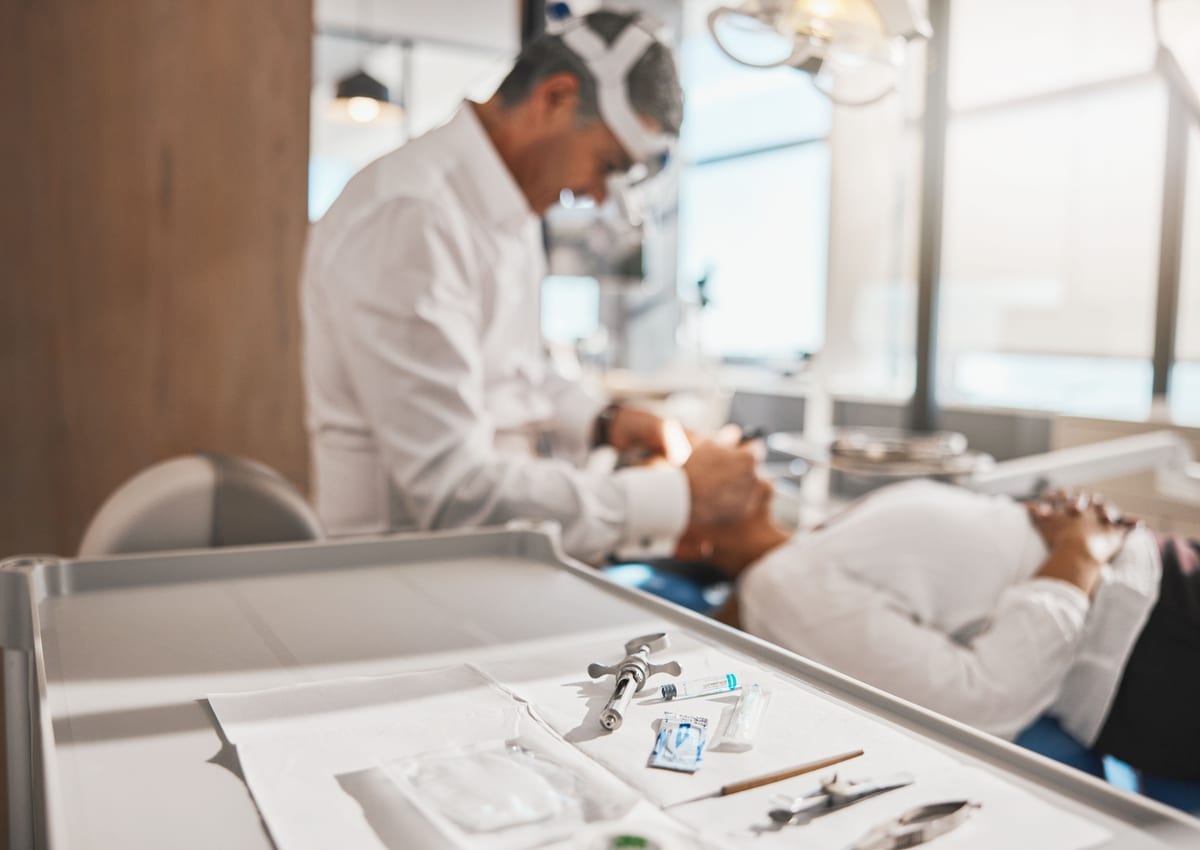
Many patients feel anxious about deep cleaning. Understanding the process can ease that concern. Dr. Duk Sung and the team at Grande Dentistry Cochrane walk every patient through each step before beginning.
Here is what typically happens during a scaling and root planing appointment:
- Local anaesthetic: The area being treated is numbed to keep you comfortable throughout.
- Scaling below the gumline: Your hygienist uses specialized instruments to remove tartar and bacteria from deep pockets.
- Root planing: The root surfaces are carefully smoothed. This reduces places where bacteria can reattach.
- Rinsing and assessment: The area is cleaned and evaluated before you leave.
- Follow-up appointment: A follow-up visit checks how your gums are healing and reassesses pocket depths.
Most patients tolerate the procedure well. Mild soreness and sensitivity can follow for a few days. Your care team will give you specific aftercare instructions to support healing.
Can Skipping Deep Cleaning Lead to Bigger Problems?
Yes — and this is an important point. Periodontal disease does not resolve on its own. It progresses if left untreated. Early-stage gum disease, called gingivitis, can often be managed with improved hygiene and regular cleanings. But once periodontitis develops, deeper intervention is needed.
Untreated periodontitis can lead to significant tooth and bone loss over time. Tooth loss may then require restorative solutions like a Dental Implant to restore function and appearance. Preventing that outcome is exactly why deep cleaning is recommended early rather than late.
Gum disease is also linked to broader health concerns. Research connects it to cardiovascular health, diabetes, and respiratory conditions. Treating it promptly is not just about your smile — it is about your overall wellbeing.
Maintaining Results After Deep Cleaning in Cochrane
Deep cleaning is not a one-time fix. It is the beginning of a more attentive care routine. After scaling and root planing, most patients transition to periodontal maintenance appointments. These occur every three to four months rather than every six.
These maintenance visits allow your hygienist to monitor pocket depths and catch any signs of recurrence early. They also reinforce the improvements made during treatment. Staying consistent with these appointments makes a significant difference in long-term outcomes.
Good home care also plays a critical role. Brushing twice daily, flossing every day, and using recommended rinses can help keep pockets clean between visits. Your care team at Grande Dentistry Cochrane can recommend the right tools and techniques for your specific needs.
Beyond gum health, many patients who complete deep cleaning also explore Cosmetic Dentistry options to enhance their smile once their gum health is stable. A healthy foundation makes every cosmetic result last longer and look better.
Conclusion: Your Gum Health Deserves Expert Attention
Understanding the difference between regular scaling and deep cleaning helps you see why your dentist’s recommendation matters. Gum disease is a progressive condition. Early, appropriate treatment protects your teeth, your bone, and your overall health. At Grande Dentistry Cochrane, Dr. Duk Sung and the team are committed to providing honest, thorough care that puts your long-term health first. Book Now to schedule your appointment with our team.
Frequently Asked Questions
Is deep cleaning painful?
Most patients experience little to no pain during the procedure because local anaesthetic is used. Some tenderness and sensitivity may occur in the days following treatment, but this typically resolves quickly with proper aftercare.
How do I know if I need deep cleaning or a regular cleaning?
Your dentist or hygienist will measure your periodontal pocket depths during your exam. Pockets of 4 mm or deeper, combined with signs of inflammation or bone loss, usually indicate that deep cleaning is the appropriate treatment rather than a standard cleaning.
How long does a deep cleaning take?
Scaling and root planing often requires more than one appointment. Many practices treat one side of the mouth at a time. Each session typically lasts between 45 and 90 minutes depending on the extent of buildup and pocket depth.
Will my gums fully recover after deep cleaning?
Many patients see significant improvement in gum health after scaling and root planing. Pocket depths can decrease and gum tissue often becomes healthier with proper follow-up care. However, results depend on ongoing maintenance and home care habits.
How often will I need appointments after deep cleaning?
After completing scaling and root planing, most patients transition to periodontal maintenance visits every three to four months. Your dentist will reassess your gum health at each visit and adjust the schedule based on how well you are responding to treatment.