1101-116 Grande Blvd, Cochrane, Alberta, T4C 2G4

What Really Happens When Your Dentist Prepares Teeth for Veneers

Many patients in Cochrane ask the same question before committing to veneers: what actually happens during the process? Understanding what really happens when your dentist prepares teeth for veneers in Cochrane can ease a lot of anxiety. The procedure involves more steps than most people expect. Knowing each phase helps you feel confident and prepared walking into your appointment at Grande Dentistry Cochrane.
Your Veneer Journey Starts With a Thorough Consultation
The process does not begin with drilling or shaping. It begins with a detailed conversation between you and Dr. Duk Sung. During this consultation, Dr. Sung evaluates your teeth, gums, and bite to confirm veneers are the right fit for your smile goals.
He will also discuss the look you want to achieve. Shade selection, tooth shape, and proportions all get discussed at this stage. This is your chance to ask every question you have. Patients who arrive prepared with photos or inspiration tend to leave this appointment feeling very clear on next steps.
If your oral health needs attention first, that happens before veneer prep begins. Healthy teeth and gums are the foundation for long-lasting results. As part of Cosmetic Dentistry Cochrane services, veneers are always planned with your whole smile in mind.
What Happens During Tooth Preparation for Veneers in Cochrane
This is the step most patients feel nervous about. Tooth preparation for veneers involves removing a thin layer of enamel from the front surface of each tooth. The amount removed is typically around 0.5 millimetres. That may sound small, but it is permanent, which is why this decision deserves careful thought.
Enamel removal is necessary for one key reason. Without it, the veneer would sit too far forward and look bulky. Shaping the tooth creates a flush surface for the porcelain to bond naturally. Dr. Sung uses precise techniques to remove only what is needed.
Here is what happens step by step during tooth preparation:
- The tooth surface is cleaned and examined closely
- A local anaesthetic is applied so you feel no discomfort
- A thin layer of enamel is carefully removed from the front of the tooth
- The tooth is shaped to create the ideal surface for bonding
- Impressions or digital scans are taken of the prepared teeth
Those scans or moulds are then sent to a dental laboratory. Skilled technicians craft your custom veneers to the exact shade and shape Dr. Sung specified. This process typically takes one to two weeks.
The Temporary Veneer Phase Explained
Once your teeth are prepared, you do not leave the clinic without protection. Temporary veneers are placed over your prepared teeth while the permanent ones are being made. These temporaries serve an important purpose beyond aesthetics.
Prepared teeth are more sensitive without their enamel layer. Temporaries shield them from temperature changes, food pressure, and bacteria. They also give you a preview of the final look and feel. If something about the shape or length feels off, you can mention it before the permanent veneers are made.
It is normal for temporary veneers to feel slightly different from your natural teeth. They are not the final result. Avoid hard, crunchy, or sticky foods during this phase. Treat them gently, and they will last comfortably until your follow-up appointment.
Here are a few tips to protect your temporary veneers:
- Avoid biting into hard foods like apples or crusty bread
- Stay away from chewy or sticky foods that can dislodge them
- Rinse gently rather than flossing aggressively around the edges
- Contact the clinic right away if a temporary comes loose
Shade Selection: Choosing the Right Colour for Your Smile
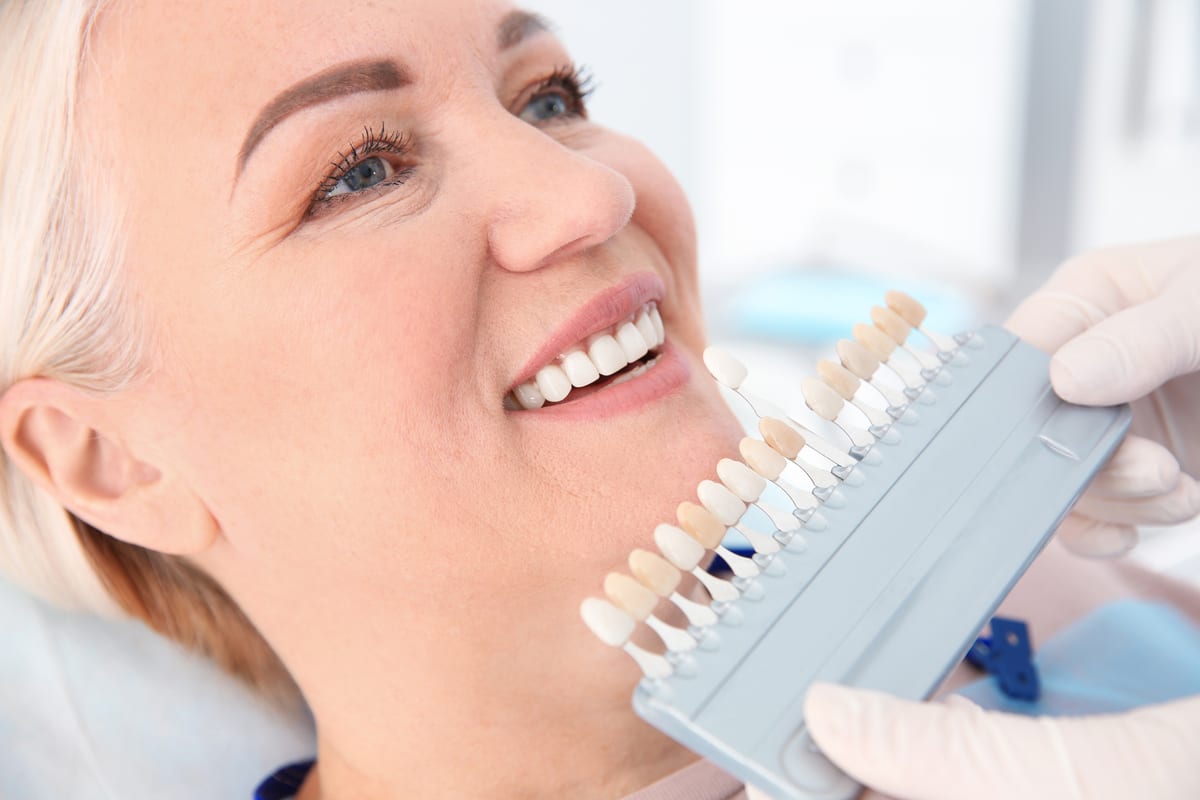
Shade selection is one of the most important steps in the entire veneer process. The colour you choose will become a permanent part of your smile. Dr. Sung uses a detailed shade guide to help you visualize your options clearly.
Most patients want a natural-looking result that matches their surrounding teeth. Others prefer a noticeably brighter smile. Neither choice is wrong. The key is choosing a shade that complements your skin tone, eye colour, and personal preference.
A good tip is to consider teeth whitening before getting veneers if you plan to brighten your smile overall. Veneers cannot be whitened after they are placed. Whitening your natural teeth first helps create a consistent baseline shade. This ensures your veneers blend seamlessly with the rest of your smile.
Final Bonding: The Last Step Before Your New Smile
When your custom veneers arrive from the lab, you return to Grande Dentistry Cochrane for the bonding appointment. This is the most exciting visit in the entire process. Dr. Sung first places each veneer without adhesive so you can approve the fit and colour.
Minor adjustments can still be made at this stage. Once you and Dr. Sung are both satisfied, the bonding process begins. Each tooth is cleaned and treated with a special conditioning solution. This roughens the surface slightly to help the adhesive grip firmly.
A strong dental cement is then applied, and the veneer is carefully placed. A curing light hardens the adhesive in seconds. Dr. Sung checks your bite and makes any final adjustments. Most patients leave this appointment genuinely amazed by the result.
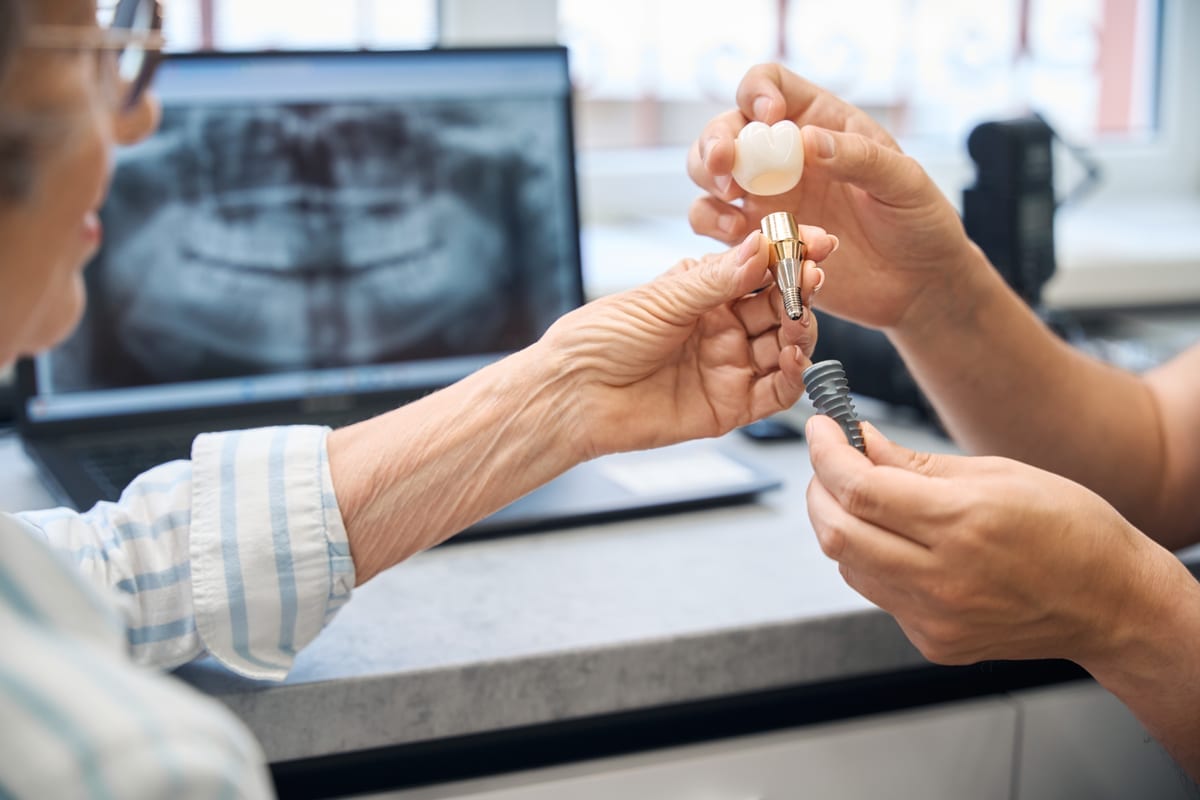
Veneers are a great standalone solution, but some patients explore other options too. If a tooth is too damaged for a veneer, a Dental Implant Cochrane may be a better long-term choice. Dr. Sung always walks you through all available options.
Caring for Your Veneers After Placement
Porcelain veneers are strong, but they do require mindful care. Brush twice daily with a non-abrasive toothpaste. Floss carefully each day to protect the gum line around each veneer. Regular professional cleanings at Grande Dentistry Cochrane help maintain both the veneers and the teeth beneath them.
Avoid biting your nails or chewing on pens and ice. These habits put unnecessary stress on porcelain. With proper care, high-quality veneers can last ten to fifteen years or more. Attending regular checkups allows Dr. Sung to monitor their condition and catch any early concerns.
Understanding the full veneer process helps you make an informed decision about your smile. From consultation to final bonding, every step is designed to give you a result that looks natural and lasts. Book Now to schedule your appointment with our team.
Frequently Asked Questions
Does getting veneers hurt?
Most patients experience very little discomfort during the preparation appointment. Dr. Sung applies a local anaesthetic before any enamel removal begins. You may feel some sensitivity in the days following preparation, but this typically settles once temporary veneers are in place.
How much enamel is removed for veneers?
Only a very thin layer of enamel is removed — usually around 0.5 millimetres. This minimal removal is necessary so the veneer sits flush and looks natural. While the amount is small, the process is permanent, so it is important to discuss all options with Dr. Sung beforehand.
How long does the entire veneer process take?
The full process typically spans two to three appointments over two to four weeks. The consultation, tooth preparation, and final bonding are spread across separate visits. The lab fabrication phase in between usually takes one to two weeks depending on the complexity of your case.
Can veneers be removed after they are placed?
Veneers are considered a permanent treatment because a layer of enamel is removed during preparation. That enamel does not grow back, so the teeth will always need to be covered. However, veneers can be replaced with new ones if they chip, wear, or need updating after many years.
Are veneers the right choice for everyone?
Veneers work best for patients with healthy teeth and gums who want to improve the appearance of their smile. They are ideal for chips, discolouration, minor gaps, and uneven shapes. Dr. Sung conducts a thorough evaluation before recommending veneers to ensure they are the most appropriate and effective option for your specific situation.