1101-116 Grande Blvd, Cochrane, Alberta, T4C 2G4

Dentures vs. Dental Implants: Which Protects Your Jaw Long-Term?

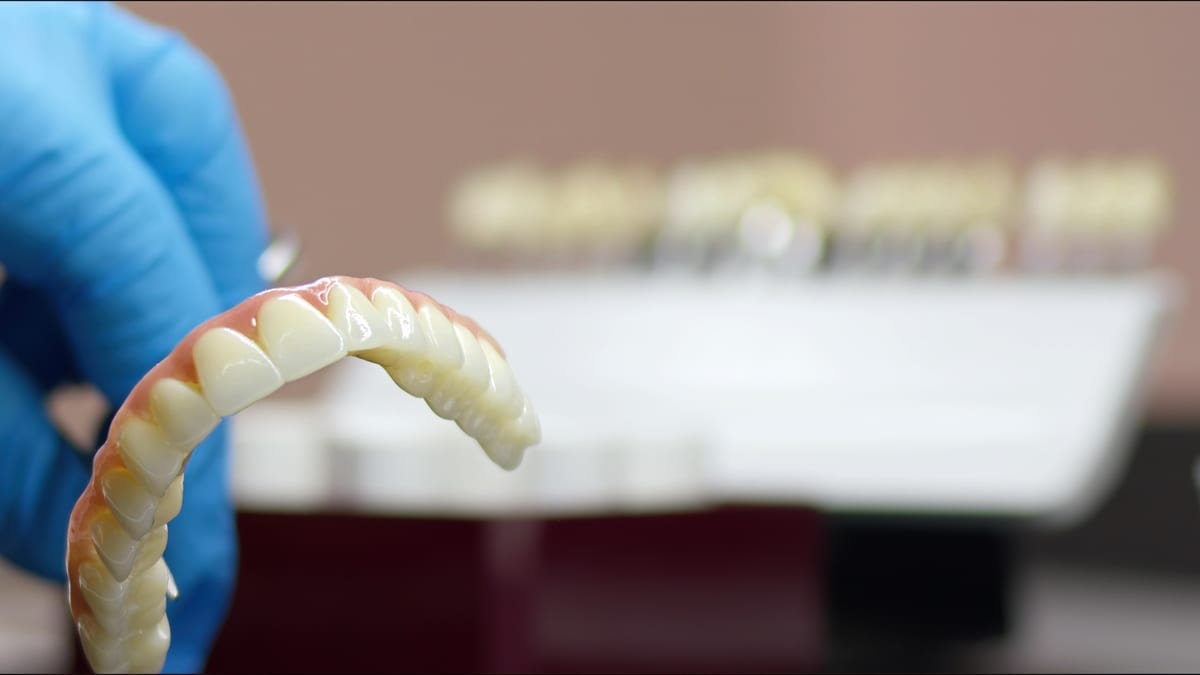
If you have missing teeth, two options come up most often: dentures and dental implants. Understanding dentures vs. dental implants and which protects your jaw long-term in Cochrane is one of the most important decisions you can make for your oral health. Both restore your smile, but they work very differently. This article breaks down the honest comparison so you can make a confident, informed choice.
What Are Dentures and How Do They Work?
Dentures are removable appliances that replace missing teeth. They rest on your gum tissue and rely on suction or adhesive to stay in place. Traditional dentures come in full or partial versions depending on how many teeth are missing.
Dentures are generally more affordable upfront. They require no surgery and can be fitted relatively quickly. For many patients, they provide an acceptable short-term solution to tooth loss.
However, dentures do not interact with your jawbone at all. They sit on top of the gums rather than anchoring into the bone. This distinction matters enormously for your long-term jaw health.
What Are Dental Implants and Why Does the Jawbone Matter?
A Dental Implant Cochrane patients trust is a titanium post placed directly into the jawbone. It acts as an artificial tooth root. A crown is attached on top, creating a natural-looking and fully functional tooth replacement.
The titanium post fuses with the bone through a process called osseointegration. This means the implant becomes part of your jaw structure. Your bone stays stimulated and healthy because it has something to support.
Without stimulation from a tooth root, the jawbone gradually breaks down. This process is called bone resorption. It is the single biggest long-term disadvantage of dentures that many patients do not hear about early enough.
Dentures vs. Dental Implants: The Long-Term Jaw Impact
Bone loss after tooth extraction begins within the first year. Studies show that patients can lose up to 25% of bone width in that first year alone. Over time, this bone loss changes the shape of your face and jaw.
With dentures, that bone loss continues indefinitely. Your dentures may fit well at first, but they will need relining or replacing as your jaw changes shape. Many denture wearers notice their face takes on a sunken appearance over time.
Dental implants prevent this bone loss entirely. Because the implant stimulates the jawbone like a natural root, the bone stays dense and strong. Your facial structure remains supported for decades with proper care.
Here is a side-by-side comparison of the long-term differences:
- Dentures: Bone loss continues over time, leading to ill-fitting appliances and facial changes
- Dental implants: Bone resorption is halted because the jaw stays stimulated
- Dentures: Require periodic relining, adjustments, or full replacement every 5–10 years
- Dental implants: Can last a lifetime with proper oral hygiene and regular checkups
- Dentures: Bite force is significantly reduced, often limiting food choices
- Dental implants: Restore nearly full bite force, allowing you to eat a normal diet
Cost, Function, and Quality of Life: An Honest Comparison
Dentures cost less upfront, and that is a real advantage for many patients. But it is important to look at the full picture over time. Relining, repairs, adhesives, and eventual replacement add up significantly over the years.
Dental implants require a higher initial investment. However, they rarely need replacement when well maintained. For many patients, implants become more cost-effective over a 10–20 year period.
Function is another major factor. Denture wearers often avoid certain foods like apples, corn, or tough meats. Dental implants allow you to eat freely without worry. This has a meaningful impact on nutrition and overall quality of life.
Speech is also affected differently. Loose dentures can slip and affect pronunciation. Implants feel and function like natural teeth, so speech remains clear and confident. Many patients in Cochrane report that implants gave them back their self-confidence in social situations.
Who Is a Good Candidate for Each Option?
Not every patient is immediately ready for dental implants. Adequate bone density is required for the implant to integrate successfully. Patients with significant bone loss may need a bone graft procedure first.
Certain health conditions may also affect candidacy for implant surgery. Dr. Duk Sung at Grande Dentistry Cochrane will complete a thorough assessment before recommending any treatment. Your overall health, bone density, and oral hygiene habits all factor into the decision.
Dentures remain a practical option when implants are not suitable. They also serve as a temporary solution while patients prepare for implants. Some patients choose a combination approach, using implant-supported dentures for added stability.
Patients interested in a complete smile transformation may also want to explore Cosmetic Dentistry Cochrane options alongside their tooth replacement plan. Veneers, whitening, and other treatments can complement your new smile beautifully.
Benefits of Dental Implants at a Glance
- Preserves jawbone density and facial structure long-term
- Functions like a natural tooth with full bite force restored
- No adhesives, no removal at night, no special cleaning solutions needed
- Highly durable — can last decades with proper care
- Supports surrounding teeth by filling the gap left by a missing tooth
- Boosts confidence through a natural appearance and feel
Making Your Decision in Cochrane
The choice between dentures and dental implants is deeply personal. Budget, health, and lifestyle all play a role. There is no single right answer for every patient.
What is clear from the evidence is this: dental implants offer superior long-term jaw protection. They preserve bone, restore full function, and support your face structure for life. Dentures provide a useful, accessible option but come with trade-offs that compound over time.
At Grande Dentistry Cochrane, Dr. Duk Sung takes time to understand your unique situation. He will walk you through every option clearly, honestly, and without pressure. The goal is always to help you make the best decision for your health and your life.
If you are weighing your options and want personalized guidance, our team is here to help. Book Now to schedule your appointment with our team.
Frequently Asked Questions
Do dental implants really stop bone loss in the jaw?
Yes. Dental implants stimulate the jawbone the same way a natural tooth root does. This stimulation prevents the bone resorption that occurs after tooth loss. Without an implant or natural root, bone density decreases steadily over time.
How long do dental implants last compared to dentures?
Dental implants can last 20 to 30 years or even a lifetime with proper care and regular dental visits. Traditional dentures typically need relining or replacing every 5 to 10 years as the jaw changes shape due to bone loss.
Are dental implants painful to get?
Most patients are surprised by how comfortable the implant procedure is. Local anaesthesia is used during placement, and any post-procedure discomfort is generally mild and manageable. Dr. Duk Sung ensures patient comfort is a priority throughout the entire process.
Can I get dental implants if I have been wearing dentures for years?
Possibly, but it depends on how much bone remains in your jaw. Long-term denture wear often causes significant bone loss. A bone graft may be needed before implant placement. Dr. Duk Sung will assess your bone density with imaging and discuss your options clearly.
What is an implant-supported denture?
An implant-supported denture combines both solutions. The denture is anchored by two or more implants instead of resting loosely on the gums. This greatly improves stability, comfort, and chewing ability while also providing some degree of bone stimulation compared to traditional dentures.