1101-116 Grande Blvd, Cochrane, Alberta, T4C 2G4

What to Expect After Your Dental Bridge: Recovery Tips and Timeline

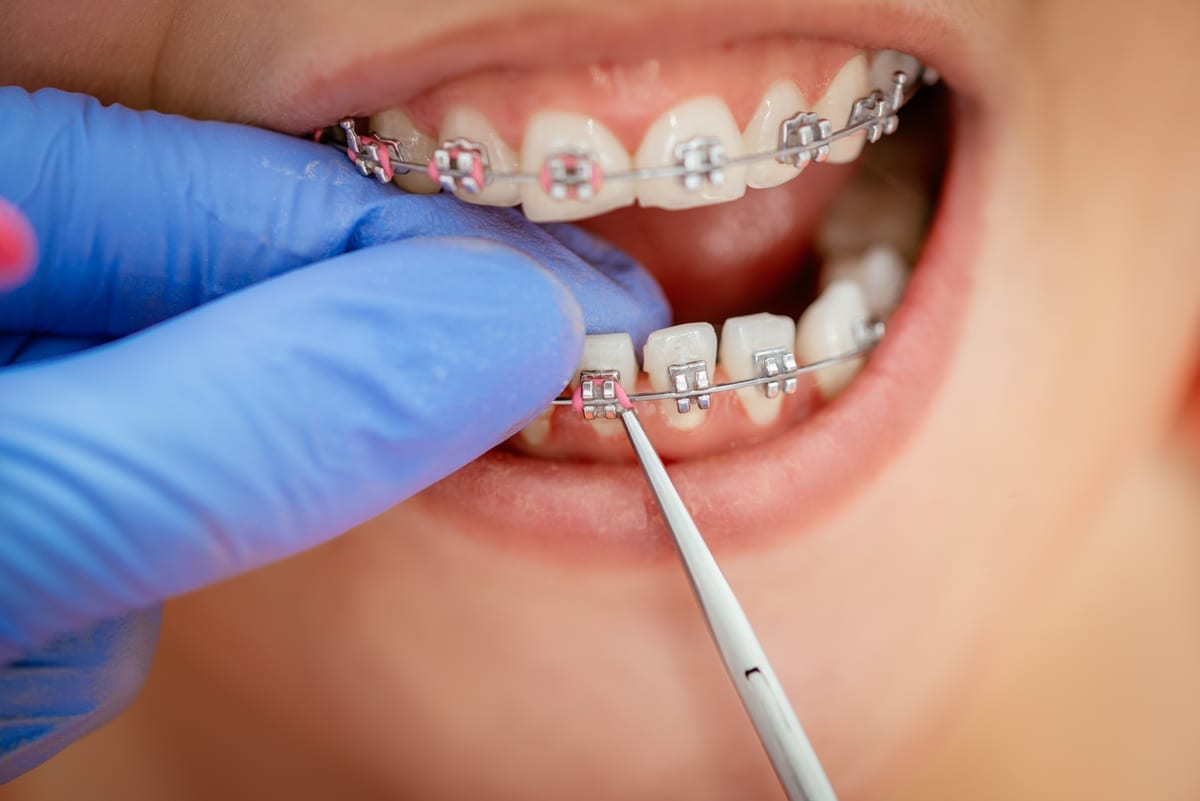
Getting a dental bridge is a significant step toward restoring your smile and bite function. Many patients in Cochrane, AB ask what to expect after their dental bridge procedure. Understanding the recovery timeline, managing discomfort, and following aftercare instructions all help ensure the best results. Dr. Duk Sung and the team at Grande Dentistry Cochrane want you to feel confident and informed every step of the way.
Your Dental Bridge Recovery Timeline in Cochrane
Recovery after a dental bridge varies from patient to patient. Most people feel noticeable improvement within the first one to two weeks. Knowing what to expect after your dental bridge recovery helps reduce anxiety and sets realistic expectations.
Here is a general timeline to guide you through the process:
- Days 1–3: Expect mild soreness, gum tenderness, and tooth sensitivity around the bridge area.
- Days 4–7: Swelling and discomfort typically begin to subside. Eating soft foods remains important during this stage.
- Week 2: Most patients feel significantly more comfortable. Sensitivity to hot and cold may still linger slightly.
- Weeks 3–4: The bridge begins to feel natural. Bite adjustments settle in as your mouth adapts.
- Month 2 and beyond: Full adaptation is usually complete. Proper hygiene habits become your long-term focus.
Temporary crowns placed before your permanent bridge may cause extra sensitivity. Avoid chewing on that side until your permanent restoration is fitted. Your dentist will confirm when normal function can resume.
What to Eat After Getting a Dental Bridge
Your diet plays a major role in a smooth recovery. Eating the right foods protects your new restoration and keeps discomfort manageable. Patients often underestimate how much meal choices affect healing.
Stick to soft, easy-to-chew options during the first week. Good choices include mashed potatoes, scrambled eggs, yogurt, and smoothies. Avoid anything crunchy, sticky, or extremely hot or cold.
As your comfort improves, you can gradually reintroduce firmer foods. Always chew on the opposite side of your mouth during early healing. Once your bite feels fully settled, most foods are safe again.
Some foods to avoid throughout your recovery include:
- Hard candies and ice cubes
- Sticky foods like caramel and chewing gum
- Very hot soups or beverages immediately after placement
- Crusty bread or raw vegetables until sensitivity eases
- Popcorn and nuts that can lodge under the bridge
Good food choices protect the integrity of your bridge and reduce irritation to surrounding gum tissue. Always follow the specific advice Dr. Duk Sung provides after your procedure.
Managing Pain and Sensitivity After Your Dental Bridge
Some discomfort after a dental bridge is completely normal. The teeth that support the bridge, called abutment teeth, have been prepared and fitted with crowns. This preparation can cause temporary sensitivity in the surrounding gum tissue and nerves.
Over-the-counter pain relievers like ibuprofen or acetaminophen typically manage mild discomfort well. Take them as directed on the packaging. Apply a cold compress to the outside of your cheek during the first 24 hours if swelling occurs.
Sensitivity to temperature usually fades within two to four weeks. Using a toothpaste designed for sensitive teeth can ease this transition. Avoid whitening toothpastes during early recovery, as they may increase sensitivity.
Bite issues can also cause discomfort after bridge placement. If your bite feels uneven or you notice sharp pressure on one side, contact Grande Dentistry Cochrane promptly. A simple bite adjustment resolves this issue quickly and painlessly.
How to Care for Your Dental Bridge Long-Term
Your dental bridge can last ten to fifteen years with proper maintenance. Good oral hygiene habits make the biggest difference in the lifespan of your restoration. Dr. Duk Sung recommends building a consistent daily care routine from day one.
Brushing twice daily with a soft-bristled toothbrush is essential. Pay special attention to the gumline around the bridge crowns. Plaque buildup in these areas can lead to decay under the bridge over time.
Flossing under the bridge is equally important. Use a floss threader or interdental brush to clean beneath the pontic, which is the artificial tooth suspended between the crowns. Water flossers are also an excellent option for reaching under your bridge effectively.
Routine professional cleanings support your bridge and your overall oral health. Patients also exploring tooth replacement options may want to learn about Dental Implant Cochrane as an alternative or complementary solution. For those interested in other smile enhancements, exploring Cosmetic Dentistry Cochrane options can open up further possibilities for a confident, beautiful smile.
Warning Signs to Watch For After Bridge Placement
Most dental bridge recoveries proceed smoothly. However, certain symptoms warrant a call to your dental team. Catching issues early prevents them from becoming more serious complications.
Contact Grande Dentistry Cochrane if you experience any of the following:
- Severe or worsening pain that does not respond to over-the-counter pain relief
- Swelling that increases after the first 48 hours rather than improving
- A bridge that feels loose or shifts when you bite
- Persistent bad taste or odour that may suggest infection
- Bleeding gums that do not stop after gentle rinsing
These signs are not normal parts of recovery. Prompt attention from your dentist protects both your restoration and your overall oral health. Never hesitate to reach out when something feels wrong.
Frequently Asked Questions
How long does it take to get used to a dental bridge?
Most patients adapt to their new dental bridge within two to four weeks. Initial sensitivity and mild discomfort fade as gum tissue heals and your bite settles. By the end of the first month, the bridge typically feels like a natural part of your smile.
Can I brush my teeth normally after getting a dental bridge?
Yes, but use a soft-bristled toothbrush and be gentle around the bridge and gumline. Avoid aggressive scrubbing near the crowns and gum margin. Your dentist will show you the best technique for keeping your bridge clean during your follow-up appointment.
Is it normal to have a gap in taste or feel when eating with a bridge?
Some patients notice a slight change in sensation when eating during the first few weeks. This is normal as your mouth adjusts to the new restoration. The feeling typically improves as you continue using the bridge regularly for chewing.
How often should I visit the dentist after getting a dental bridge?
Dr. Duk Sung recommends scheduling a follow-up visit shortly after bridge placement to check your bite and tissue healing. After that, regular professional cleanings every six months help maintain the bridge and surrounding teeth. Consistent check-ups extend the life of your restoration significantly.
What happens if my dental bridge feels loose?
A loose bridge requires prompt attention from your dental team. Do not attempt to fix it yourself or continue eating normally on that side. Contact Grande Dentistry Cochrane as soon as possible so the bridge can be properly re-cemented or assessed for any underlying issues.
Recovering from a dental bridge procedure is a manageable process when you know what to expect. Following Dr. Duk Sung’s aftercare instructions, eating the right foods, and maintaining good oral hygiene all contribute to a smooth recovery. The team at Grande Dentistry Cochrane is always here to support you through every stage of healing. Book Now to schedule your appointment with our team.