1101-116 Grande Blvd, Cochrane, Alberta, T4C 2G4

How To Clean Around A Dental Bridge? Essential Guide

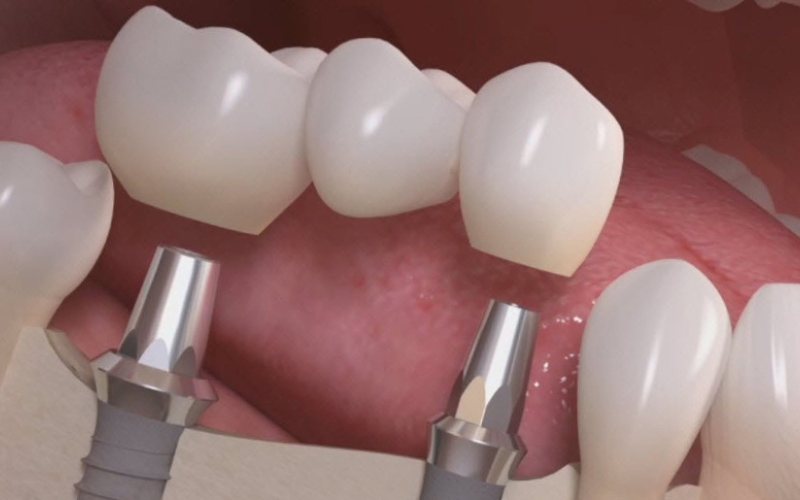
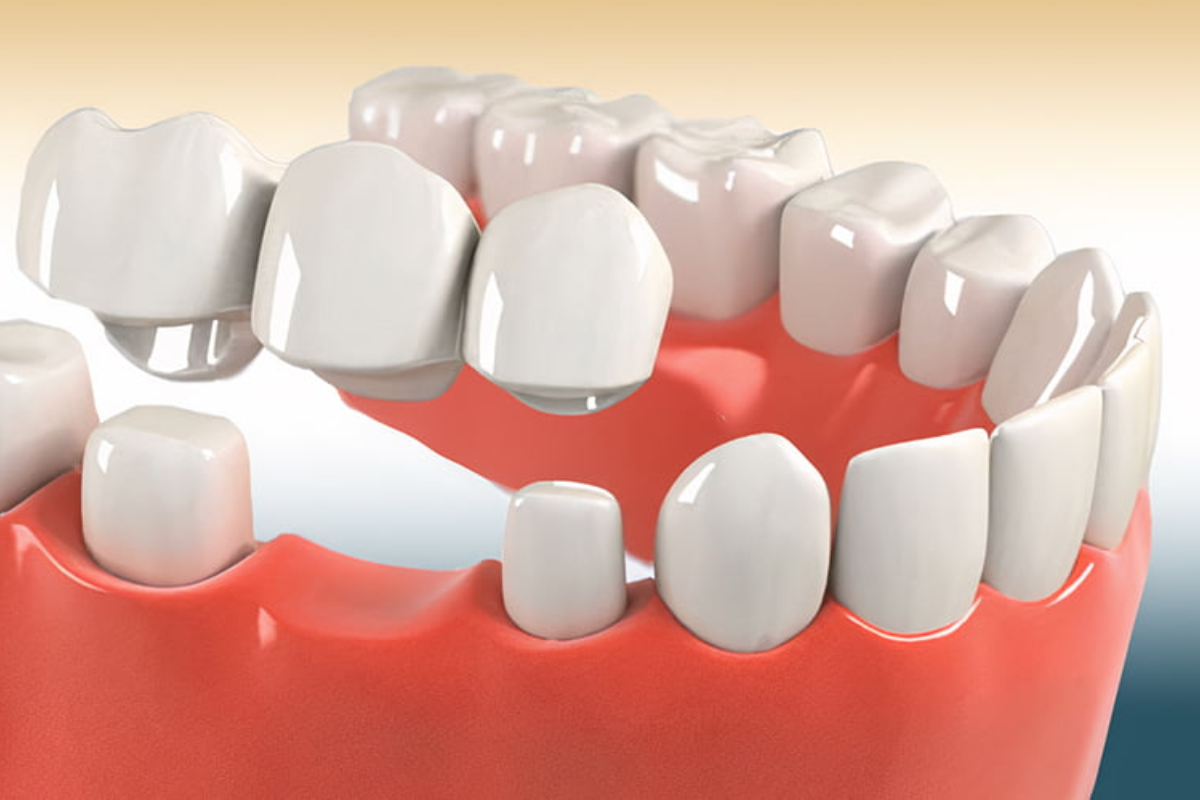
A dental bridge is a reliable solution for replacing missing teeth and restoring both your smile and oral function. However, proper care and maintenance are essential to ensure its longevity and prevent complications such as gum disease, decay, or damage to the bridge or your natural teeth.
The process of cleaning around a dental bridge requires a bit more effort than caring for natural teeth, but with the right techniques, you can ensure your it stays in top condition.
This guide will walk you through the essential steps for cleaning around your dental bridge, provide tips on tools you’ll need, and offer helpful advice for maintaining your oral health.
Why Is Cleaning Your Dental Bridge Important?
Maintaining a clean dental bridge is essential for several reasons:
Prevents Plaque and Tartar Buildup
Plaque, which is a sticky film of bacteria, can accumulate around your bridge. If not removed, it can harden into tartar, which is much harder to remove and may lead to gum disease, tooth decay, and even the loosening of the bridge.
Protects Supporting Teeth
Your dental bridge is supported by your natural teeth, and failing to clean around the bridge can lead to decay in those supporting teeth. Cleaning the areas around the bridge helps prevent this.
Maintains Gum Health
Gum inflammation or infection can occur when food particles and bacteria get trapped beneath or around your dental bridge. Proper cleaning will keep your gums healthy and prevent painful issues like gingivitis.
Prevents Bad Breath
Poor cleaning can also result in a buildup of bacteria, which is a leading cause of bad breath. Keeping your bridge clean ensures your breath stays fresh.
Tools You’ll Need for Cleaning Around a Dental Bridge
Having the right tools for cleaning around a dental bridge makes the process much easier and more effective. Here’s a list of essential tools you’ll need:
1. Soft-Bristle Toothbrush
A soft-bristle toothbrush is key to avoiding damage to your bridge and natural teeth. Opt for a toothbrush with gentle bristles that won’t scratch the surface of the bridge or irritate your gums.
2. Floss Threader
A floss threader is a tool that helps guide dental floss underneath your bridge, making it easier to clean the spaces between the bridge and your gums.
3. Interdental Brushes
Interdental brushes are small, cone-shaped brushes that are designed to clean between your teeth and around your bridge. They work especially well for cleaning around the base of the bridge where flossing may be difficult.
4. Water Flosser
A water flosser uses a stream of water to flush out food particles and bacteria from hard-to-reach areas. It’s a great tool for people who have difficulty using traditional floss or threaders.
5. Antibacterial Mouthwash
Mouthwash can help kill bacteria that brushing and flossing might miss, providing an extra layer of protection for your gums and bridge. Choose a mouthwash that’s alcohol-free and designed for gum health.
Step-by-Step Guide To Clean Your Dental Bridge Properly
Cleaning a dental bridge involves more steps than simply brushing your teeth. Follow this step-by-step guide to ensure you’re properly cleaning your bridge:
Step 1: Brush Your Teeth and Bridge
Brush your teeth twice a day to keep your dental bridge and surrounding teeth clean. Make sure to use a soft-bristle toothbrush and fluoride toothpaste. Brush gently around the bridge and the supporting teeth to remove plaque and prevent buildup.
- How to do it: Hold the toothbrush at a 45-degree angle to your gums and use gentle, circular motions to clean all surfaces of the bridge, including the top, front, and sides. Be sure to also brush your natural teeth and gums.
Step 2: Floss Under The Bridge
Using a floss threader, gently guide dental floss under the bridge to clean between the teeth and underneath the bridge itself. This step is crucial as food particles and plaque can get trapped beneath the bridge, leading to potential gum disease or decay.
- How to do it: Use the floss threader to position the floss underneath the bridge. Gently slide the floss back and forth to remove any debris. Be cautious not to snap the floss, as it could damage the bridge or gum tissue.
Step 3: Clean Around the Bridge with an Interdental Brush
Interdental brushes are excellent for cleaning between the bridge and your natural teeth. These small brushes are particularly useful for cleaning areas that floss may not reach effectively.
- How to do it: Insert the interdental brush into the spaces between your teeth and around the bridge. Move it back and forth gently to remove any trapped food particles or plaque buildup.
Step 4: Use a Water Flosser
A water flosser can be used to gently rinse between your teeth and around the bridge, flushing out food particles and bacteria that may remain after brushing and flossing. Water flossing is especially helpful for people with limited dexterity or those who have difficulty using traditional floss.
- How to do it: Direct the water flosser tip at the gum line, the space underneath the bridge, and the areas around your natural teeth. Use a gentle stream to avoid damaging your gums.
Step 5: Rinse with Antibacterial Mouthwash
After brushing and flossing, rinse your mouth with an antibacterial mouthwash to kill any remaining bacteria and freshen your breath. Look for a mouthwash that’s alcohol-free and designed to protect your gums and teeth.
- How to do it: Swish the mouthwash around your mouth for 30 seconds to a minute, making sure to rinse thoroughly around your dental bridge.
Common Mistakes To Avoid
While cleaning your dental bridge may seem straightforward, there are some common mistakes that can lead to complications. Be aware of these common errors and avoid them:
1. Using Hard-Bristled Brushes
Hard-bristled brushes can scratch the surface of your bridge and irritate your gums. Always choose a soft-bristle toothbrush to clean your bridge.
2. Skipping Flossing
Many people skip flossing around their dental bridge, but this can lead to plaque buildup and decay in the supporting teeth. Flossing is essential for maintaining oral health.
3. Forgetting Regular Dental Checkups
Regular dental visits are essential for keeping your dental bridge in good condition. Our dentist will check for any signs of wear, damage, or infection and provide professional cleanings to remove tartar buildup.
In the end, cleaning around a dental bridge is crucial for maintaining your oral health and ensuring that your bridge remains in top condition for years. Following the right techniques and using the appropriate tools can effectively remove plaque, prevent gum disease, and protect your supporting teeth from decay.