1101-116 Grande Blvd, Cochrane, Alberta, T4C 2G4

Your Dental Crown Appointment: Step-By-Step What to Expect


Feeling nervous about an upcoming dental crown? You are not alone. Many patients in Cochrane feel anxious simply because they don’t know what to expect. Understanding your dental crown appointment step-by-step can make the entire experience far less stressful. At Grande Dentistry Cochrane, Dr. Duk Sung and the team walk every patient through the process with care and clarity.
This guide covers everything — from the moment you sit in the chair to the day your permanent crown is placed. Read on and feel more prepared before your visit.
Step One: Numbing and Preparing the Tooth in Cochrane
Your appointment begins with local anesthesia. Dr. Duk Sung applies a topical gel to the gum first. This numbs the surface before the injection, so discomfort is minimal. Most patients are surprised by how gentle this step feels.
Once you are fully numb, the tooth preparation begins. The dentist reshapes the existing tooth structure. This creates a stable base for the crown to sit on. The amount removed depends on the type of crown being placed.
You may feel pressure during this stage, but not pain. If anything feels uncomfortable, raise your hand immediately. The team will pause and check in with you. Patient comfort is always the priority at Grande Dentistry Cochrane.
Taking Impressions and Placing the Temporary Crown
After shaping the tooth, an impression is taken. This creates an exact mold of your prepared tooth. The impression is sent to a dental lab, where your permanent crown is custom-made. This process typically takes one to two weeks.
While you wait, a temporary crown is placed over the tooth. It protects the prepared area and keeps your bite comfortable. Temporary crowns are not as strong as permanent ones, so some care is needed.
- Avoid sticky or chewy foods like caramel or gum
- Chew on the opposite side of your mouth when possible
- Brush gently around the temporary crown
- Avoid flossing aggressively near the temporary crown
- Contact the office if the temporary crown feels loose or falls off
The temporary crown stage is short. Most patients adjust to it quickly and experience little disruption to daily life.
Your Second Appointment: Seating the Permanent Crown
When your permanent crown arrives from the lab, you return for the final seating appointment. This visit is usually shorter than the first. Dr. Duk Sung removes the temporary crown and cleans the prepared tooth. The area is ready to receive your new permanent restoration.
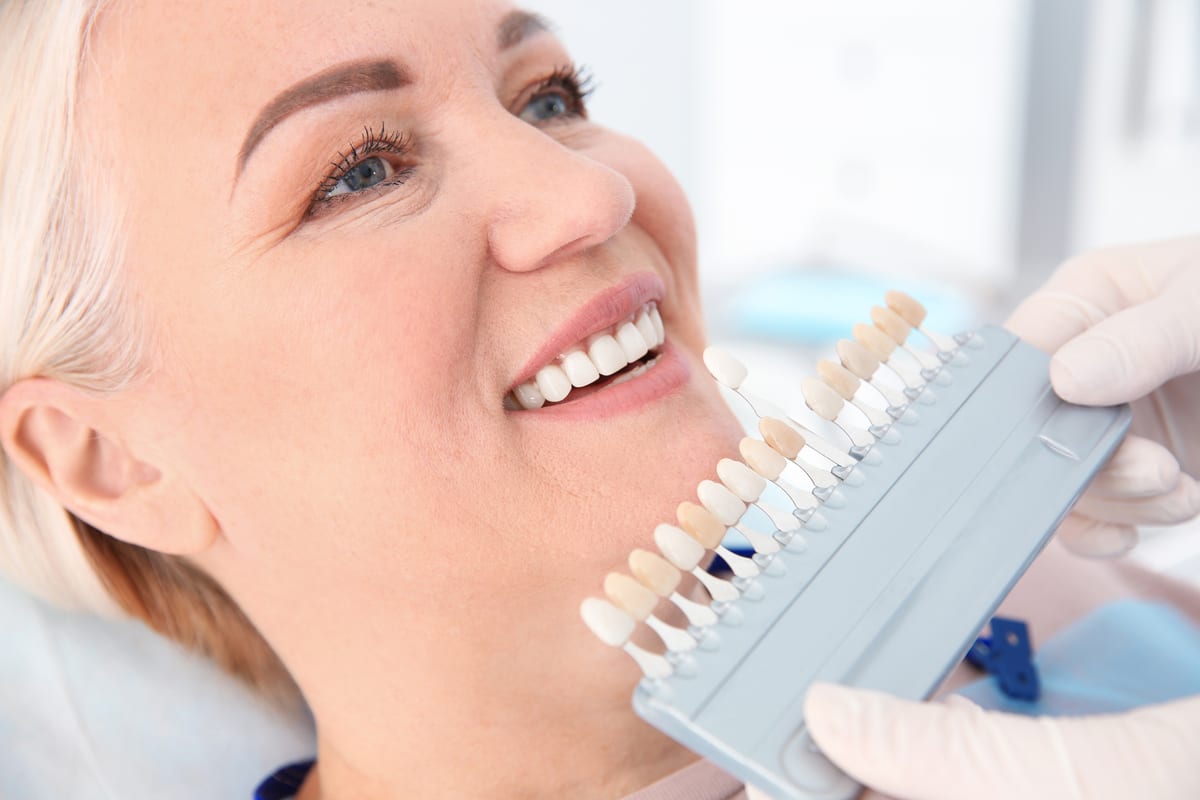
The permanent crown is placed on the tooth first without cement. Dr. Duk Sung checks the fit, shape, and colour carefully. Small adjustments may be made to ensure a precise fit. Your bite is tested to confirm everything feels natural.
Once the fit is confirmed, the crown is permanently bonded in place. A special dental cement secures it to the tooth. You will bite down on a small strip to check alignment one final time. Within minutes, your crown is set and the appointment is complete.
- The permanent crown matches the colour of your surrounding teeth
- It is designed to withstand normal chewing forces
- It covers and protects the entire visible portion of the tooth
- With proper care, a crown can last 10 to 15 years or more
What to Expect After Your Crown Is Placed
Some mild sensitivity is normal after the permanent crown is seated. Your gum tissue may feel slightly sore for a few days. Over-the-counter pain relief is usually enough to manage any discomfort. Most patients feel completely comfortable within a week.
Avoid very hot or cold foods for the first 24 to 48 hours. This helps your tooth settle into its new restoration. Sensitivity to temperature often fades quickly. If sensitivity lasts longer than two weeks, contact Grande Dentistry Cochrane for a follow-up.
Caring for your crown is straightforward. Brush twice daily and floss regularly. Attend routine cleanings so Dr. Duk Sung can monitor the crown and surrounding gum health. Crowns are durable, but good oral hygiene still matters greatly.
How Dental Crowns Fit Into Your Overall Dental Health
Dental crowns are one of the most versatile restorations in general dentistry. They restore broken, decayed, or weakened teeth effectively. They also protect teeth following root canal treatment. A well-placed crown preserves your natural tooth structure for as long as possible.
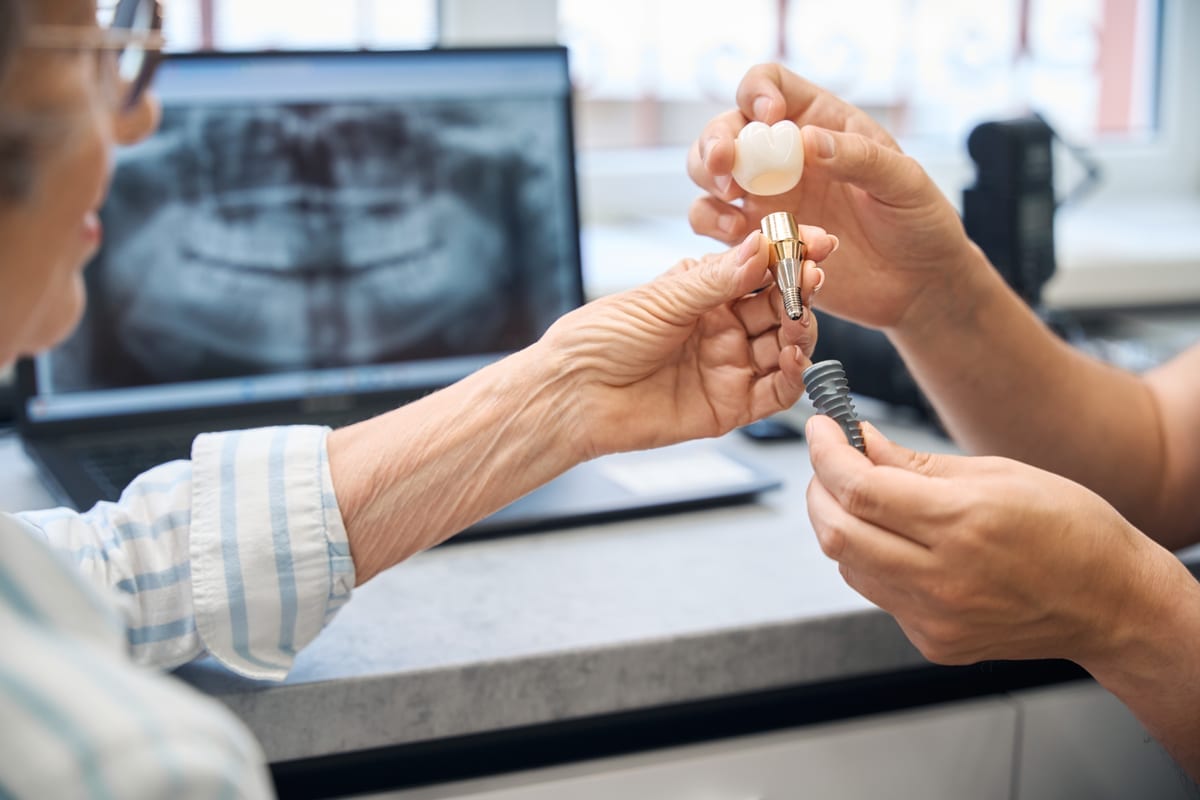
Crowns are also used alongside other treatments. For example, they are a key part of Dental Implant Cochrane restorations, where the crown sits on top of the implant post. They can also be part of broader smile improvements through Cosmetic Dentistry Cochrane treatment plans. Understanding how crowns connect to other services helps you make informed decisions about your care.
Dr. Duk Sung takes the time to explain all options before any treatment begins. Grande Dentistry Cochrane believes that informed patients feel more confident and comfortable. Your questions are always welcome at any stage of treatment.
Conclusion: Feel Confident Walking Into Your Crown Appointment
Knowing what happens at each stage makes your dental crown appointment far less intimidating. From numbing to temporary placement to the final seating, every step has a clear purpose. Dr. Duk Sung and the team at Grande Dentistry Cochrane are here to guide you through with expertise and genuine care. You do not have to face it alone or uninformed. Book Now to schedule your appointment with our team.
Frequently Asked Questions
How long does a dental crown appointment take in Cochrane?
The first appointment, which includes tooth preparation and temporary crown placement, usually takes 60 to 90 minutes. The second appointment for seating the permanent crown is typically shorter, around 30 to 45 minutes. Total treatment time depends on the complexity of your individual case.
Will I feel pain during my dental crown procedure?
No. Local anesthesia is used throughout the procedure, so you should not feel pain. You may notice pressure or vibration during tooth preparation, but this is not painful. If you ever feel discomfort, simply raise your hand and Dr. Duk Sung will pause immediately.
How do I care for my temporary crown while I wait for the permanent one?
Avoid sticky, chewy, or hard foods during the temporary crown phase. Chew on the opposite side of your mouth when possible. Brush gently and avoid aggressive flossing near the temporary crown. If it feels loose or comes off, contact Grande Dentistry Cochrane right away.
How long do dental crowns last?
With proper oral hygiene and regular dental visits, a dental crown can last 10 to 15 years or longer. The lifespan depends on the material used, your bite habits, and how well you care for your teeth. Grinding your teeth can shorten a crown’s lifespan, so a nightguard may be recommended if needed.
Can a dental crown be placed on any tooth?
Crowns can be placed on most teeth, including molars, premolars, and front teeth. The tooth must have enough healthy structure remaining to support the crown. In cases where significant tooth structure is lost, Dr. Duk Sung will discuss whether a crown or an alternative restoration is the best option for you.